
The UK economy grew by 0.1% in May, according to the Office for National Statistics, recovering from a 0.1% decline in April. The modest expansion came despite upward pressure on energy costs linked to the Iran war, and matched the forecasts of economists surveyed ahead of the release.
What do the latest GDP figures show?
ONS data confirmed that gross domestic product edged up 0.1% in May after a similarly sized drop the previous month, suggesting the economy narrowly avoided a deeper slowdown. The figures indicate a fragile but positive turnaround, with growth in line with City expectations rather than surprising analysts in either direction.
The economy grew modestly in May, in line with forecasts, the ONS said.
Why did the Iran war threaten UK growth?
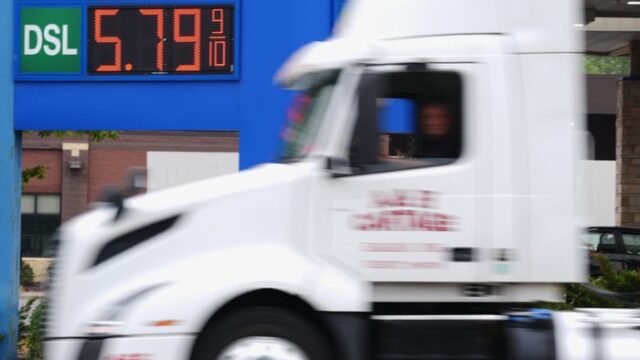
The conflict in Iran had raised concerns among economists that higher energy costs could squeeze household spending and business activity, potentially dragging on output. Energy markets are particularly sensitive to instability in the Middle East, given the region’s role in global oil and gas supply, and analysts had been watching closely for signs that rising costs would offset other areas of economic activity.
Despite these concerns, the overall growth figure suggests the UK economy showed some resilience in May, even as energy-related pressures persisted in the background.
What does this mean for the wider economic outlook?
The return to growth after April’s contraction offers a modest signal of stability, though the pace remains slow. With GDP fluctuating between small gains and losses in consecutive months, the data points to an economy that is neither accelerating strongly nor sliding into a clear downturn, leaving policymakers to weigh the ongoing risks from global energy markets against signs of underlying resilience at home.