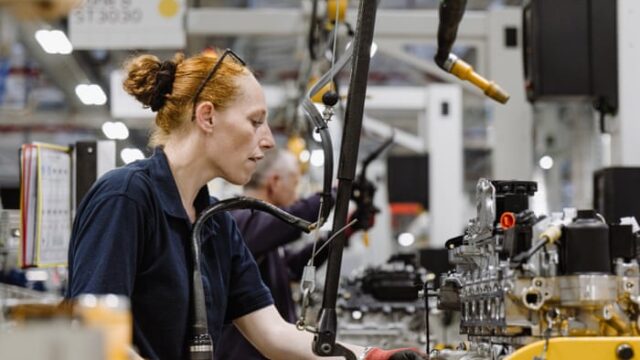
UK manufacturing output grew at its fastest rate in almost two years in July, marking a fourth consecutive month of expansion, according to a closely watched S&P Global survey. The improvement comes as fears over US President Donald Trump’s tariff policies have eased, though factories remain wary of disruption from the ongoing conflict between the US and Iran.
What is driving the rebound in UK factory output?
The latest S&P Global purchasing managers’ survey found manufacturers reporting stronger production levels than at any point in nearly two years, with growth building steadily since the spring. Much of the earlier uncertainty tied to Trump’s shifting tariff announcements appears to have subsided, giving firms greater confidence to ramp up activity after a turbulent period for global trade policy.
The turnaround suggests that businesses have adjusted to the new trading environment and are less paralysed by the threat of sudden tariff changes than they were earlier in the year, allowing supply chains and order books to stabilise.
Why are manufacturers still cautious despite the upbeat mood?
Even with improved output, factory bosses remain concerned that a prolonged conflict between the US and Iran could disrupt global energy markets. A sustained war risks restricting supplies of oil and gas, which would push up production costs across the manufacturing sector and potentially erode the recent gains in output.
Manufacturers described themselves as upbeat overall, but flagged the Middle East conflict as a significant risk to costs and supply chains, the survey found.
What does this mean for the wider UK economy?
The figures offer a rare bright spot for the UK economy, which has faced persistent questions over growth, inflation and trade competitiveness. A fourth straight month of expanding manufacturing activity points to resilience in the industrial sector, even as broader geopolitical risks continue to cloud the outlook for costs and energy security in the months ahead.