The US economy grew at an annualized rate of 1.5% in the second quarter of 2026, the Commerce Department reported Thursday, slowing from 2.1% growth in the first quarter and falling short of economists’ forecasts. A jump in imports weighed on the headline figure, though resilient consumer spending helped cushion the slowdown.
Why did growth slow so much in the second quarter?
Growth decelerated mainly because imports rose sharply, a trend that subtracts from GDP calculations since goods bought from abroad are counted against domestic output. Even so, American households kept spending at a solid clip from April through June, offsetting some of the drag and preventing a sharper pullback in overall economic activity.
The deceleration from the first quarter’s 2.1% pace suggests underlying momentum in the economy is cooling, even as the labor market and consumer demand have so far avoided a steep downturn.
What is happening with inflation and interest rates?
The Federal Reserve’s preferred inflation gauge, tied to personal consumption expenditures, rose at a slower pace last month, offering some relief to policymakers. Still, the reading remained above the central bank’s long-standing 2% target, keeping pressure on officials as they weigh future policy moves.
Consumer spending remained resilient even as policymakers kept interest rates on hold, underscoring the delicate balance the Fed is trying to strike between controlling prices and sustaining growth.
What does this mean for the Fed’s next move?
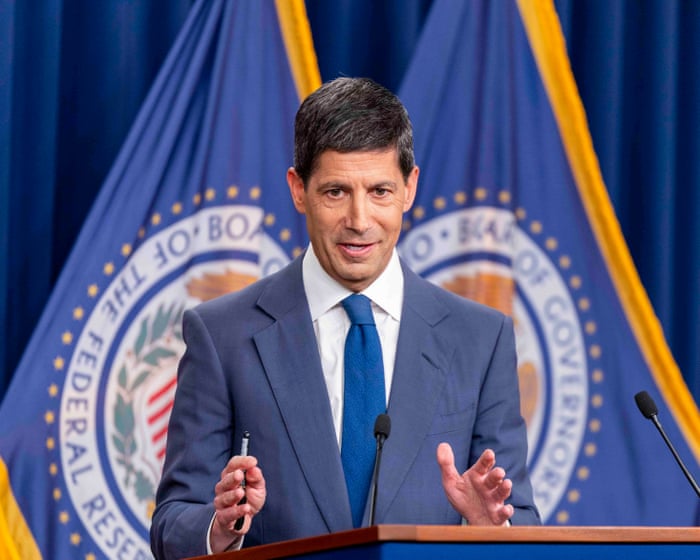
With growth slowing and inflation still elevated, the Federal Reserve faces a tricky balancing act. Policymakers have held interest rates steady, wary that cutting too soon could reignite price pressures while holding too long could further choke off economic momentum. The latest GDP and inflation data will likely factor heavily into upcoming Fed deliberations over whether to adjust rates in the coming months.