
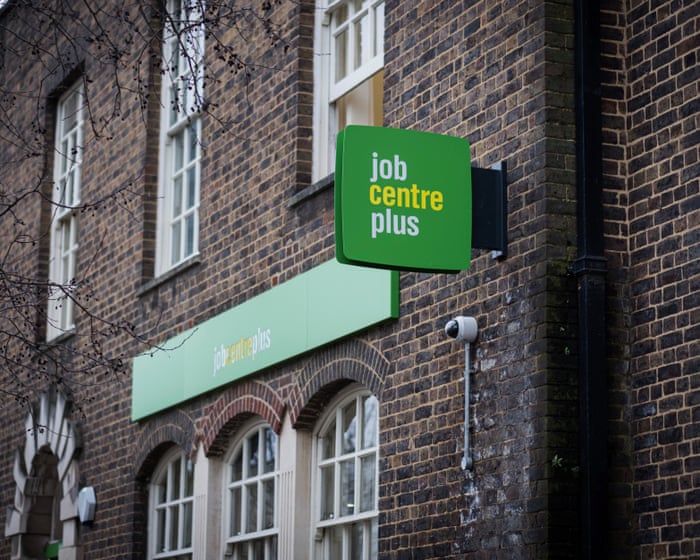
The Guardian is calling on readers aged 50 to 65 who have struggled to return to employment after losing a job to share their experiences, following analysis from the Centre for Social Justice showing that 2.15 million people aged 50 to 64 in the UK are now receiving out-of-work benefits, a figure the think tank describes as unprecedented.
Why are older workers struggling to find jobs?
Many people in midlife who lose their jobs report facing a much harder path back into employment than younger workers, despite having decades of professional experience behind them. Some describe submitting hundreds of applications without receiving a single offer, while others say they have been forced to accept roles well below their previous pay grade or skill level simply to stay afloat financially.
The Centre for Social Justice’s figures suggest this is not an isolated experience but a widening trend, with the number of over-50s on out-of-work benefits climbing to a level that has drawn concern from policymakers and labour market analysts alike. Campaigners argue that age discrimination, rapidly changing skills requirements, and employer assumptions about older candidates all play a role in shutting people out of the job market.
We want to hear from people across the UK who have found it difficult to get back into work later in their careers.
What impact is this having on households?
For many affected workers, the financial fallout extends well beyond a temporary gap in income. Some have had to dip into savings or pensions earlier than planned, others have turned to state benefits for the first time in their working lives, and many report a toll on their confidence and mental health after repeated rejections. The Guardian’s callout aims to gather first-hand accounts from people across the UK who have lived through this experience, whether they eventually found new work, changed careers entirely, or are still searching.
What is being asked of readers?
Readers who have experienced unexpected unemployment in their 50s or 60s and difficulty securing new work are being invited to share their stories directly with the Guardian’s journalists. The publication says it wants to build a fuller picture of how widespread this issue is and what practical and systemic barriers people are encountering as they try to re-enter the workforce later in their careers.


