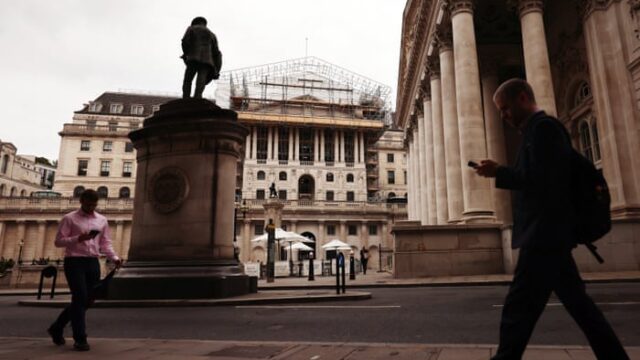

Government bond yields in the United States, United Kingdom, France, Germany and Japan climbed to their highest levels since the 2008 financial crisis on Monday, as investors grew concerned that escalating tensions in the Middle East linked to the Iran conflict would sustain inflationary pressure and force interest rates higher for longer.
Why are borrowing costs rising across major economies?
Investors are pricing in the risk that disruption stemming from the Iran war could push energy and commodity prices higher, feeding into broader inflation just as many central banks had been hoping price pressures would ease. Higher expected inflation typically pushes bond yields up, since investors demand greater compensation for lending money over time when the future purchasing power of that money is less certain.
The sell-off in government debt was broad-based, hitting borrowing costs in Washington, London, Paris, Berlin and Tokyo simultaneously. Rising yields translate directly into higher costs for governments that need to issue new debt or refinance existing obligations, adding pressure to public finances already strained by heavy spending commitments.
What does this mean for government finances and markets?
Elevated borrowing costs make it more expensive for treasuries in these economies to fund deficits, potentially squeezing budgets for public services or forcing tougher fiscal choices. Persistently higher yields can also ripple through mortgage rates, corporate borrowing and broader financial conditions, tightening the economic environment even without direct central bank action.
Investors are increasingly worried that geopolitical shocks will keep inflation elevated well beyond expectations, market analysts said.
How does this compare with the 2008 crisis?
The last time borrowing costs for several of these economies reached comparable levels was during the 2008 financial crisis, when governments faced turmoil in credit markets and needed to reassure investors of their fiscal stability. The current spike reflects a different kind of stress — driven not by a banking collapse but by geopolitical conflict feeding fears of an inflation resurgence — yet the practical effect on government funding costs is similarly severe.