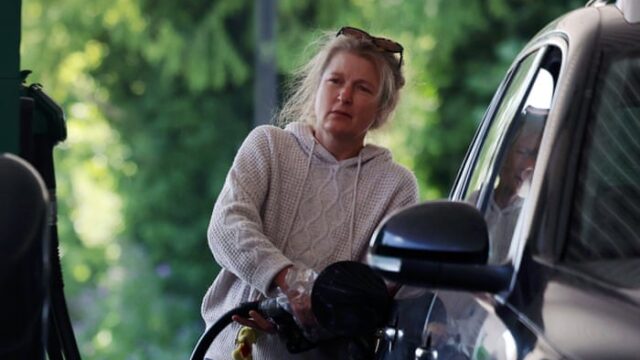

Household energy debt in Britain rose to a record £6bn by the end of June and is projected to reach £7bn by year-end, driven partly by fallout from geopolitical tensions involving Iran. The energy price cap is set to climb to a three-year high in October, straining low-income families already forced to choose between heating, food and other bills.
Why is energy debt climbing so sharply?
The surge in unpaid energy bills stems largely from volatile global energy markets, which have been rattled by the fallout from Donald Trump’s confrontation with Iran. That instability has pushed wholesale gas prices higher, feeding directly into the regulated price cap that determines what British households pay for gas and electricity. Analysts warn that unless prices stabilise, the £7bn debt figure projected for the end of the year could climb even further, deepening financial strain on households already struggling with elevated living costs.
For many low-income families, the consequences are stark. Rising bills mean tougher trade-offs between essentials, with some households reportedly skipping meals, falling behind on other payments, or going without adequate heating to manage costs.
What is the government doing to help struggling households?
The government has moved to ease the burden by scrapping VAT on electricity bills from the start of October, a step taken swiftly after new leadership prioritised tackling the cost of living crisis. However, the timing of this relief has been undercut by the announcement of a fresh rise in the price cap, which takes effect the same month and is large enough to cancel out the benefit of the tax cut for most consumers.
Officials say the price cap increase, linked to Middle East-driven market pressures, more than offsets the savings from removing VAT on electricity bills.
What does this mean for households this winter?
With the price cap rising just as the VAT cut is introduced, many households will see little to no net improvement in their bills heading into the colder months. Campaigners argue that short-term relief measures are insufficient without additional targeted support for the most vulnerable, especially as energy costs are increasingly shaped by unpredictable international events rather than domestic policy alone. The pattern suggests that high energy costs, once seen as temporary, may now be a lasting feature of household budgets amid ongoing geopolitical instability.