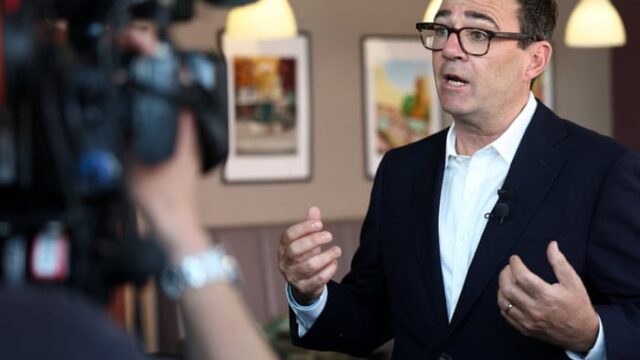

Conservative leader Kemi Badenoch has appointed a new shadow chancellor and used her first prime minister’s questions exchange with Andy Burnham to attack Labour’s economic record, calling him a “spendthrift” who will avoid difficult fiscal decisions. Critics argue the move reflects a narrow strategy that sidesteps the underlying reasons for the Tories’ 2024 election defeat.
Why is Badenoch focusing on the economy?
Badenoch believes fiscal discipline offers her most effective avenue of attack against the new Labour government, particularly after Keir Starmer’s resignation as prime minister paved the way for Burnham’s rise. She has framed the debate around Britain’s creditworthiness in international markets, arguing that Labour will struggle to resist pressure from its own backbenchers for higher public spending.
At their first head-to-head in the Commons, Badenoch accused Burnham of being a “people pleaser” likely to bow to demands from Labour MPs for increased departmental budgets, which she said would inevitably require further tax rises to fund.
He is a spendthrift and a people pleaser who will dodge the tough decisions needed to prove Britain’s creditworthiness, the Conservative leader said.
What does this mean for the Conservative Party’s recovery strategy?
Analysts note that Badenoch’s approach relies heavily on repeating familiar Tory arguments about spending restraint and market confidence, themes the party leaned on heavily before its electoral collapse. There is little indication so far that the new shadow chancellor appointment signals a fresh economic vision distinct from the party’s pre-2024 positioning.
Observers point out that Badenoch had limited direct influence over Starmer’s departure, which was driven largely by internal Labour tensions and electoral pressure from Reform UK and the Greens rather than sustained opposition attacks. Her challenge now is to convert criticism of Burnham’s fiscal choices into a broader, more convincing account of how the Conservatives would govern differently.
What happens next in the fiscal debate?
Badenoch is expected to continue pressing Burnham on spending commitments and tax policy as Labour faces internal calls for increased budgets across departments. Whether this line of attack resonates with voters may depend on how the government responds to pressure from its own MPs and whether it can defend its fiscal credibility without resorting to the tax increases the Conservatives are predicting.