
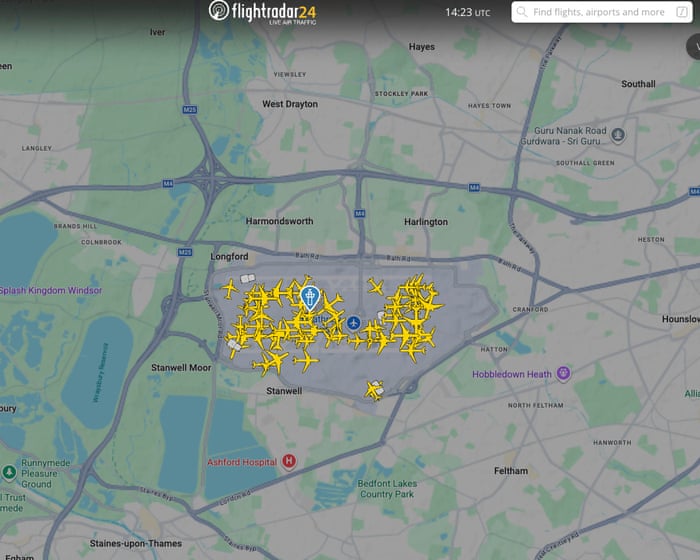
A technical issue at National Air Traffic Services (NATS) caused widespread flight delays and cancellations across the UK on Monday. Flight tracking service Flightradar24 estimated more than 600 flights were cancelled as a result, with departures from UK airports significantly disrupted throughout the day.
What caused the UK flight disruption?
NATS confirmed a technical fault affected its systems, leading to knock-on delays for departing flights nationwide. The organisation issued a public apology for the disruption, acknowledging the scale of the impact on passengers and airlines. While the exact technical cause was not detailed, the fault forced air traffic controllers to slow the flow of departures, a common safety measure when systems are compromised, resulting in cascading delays and cancellations across multiple airports.
We apologise for the delays affecting flights today caused by a technical issue, the air traffic control service said.
How many flights were affected?
According to Flightradar24, the disruption resulted in more than 600 cancellations across the day, alongside numerous delays. The scale of the fallout underscores how sensitive the UK aviation network is to single points of failure within air traffic control infrastructure, echoing previous large-scale disruptions linked to technical failures in the system.
Why are gas prices rising at the same time?
Separately from the aviation disruption, European gas prices continued climbing as countries race to fill storage ahead of winter. The month-ahead UK gas price rose roughly 1% to around 184p a therm, nearing the multi-year high reached the previous day, its strongest level since January 2023. Analysts point to tightening supply and seasonal restocking demand as key drivers, adding another layer of economic pressure across Europe as energy markets remain volatile.