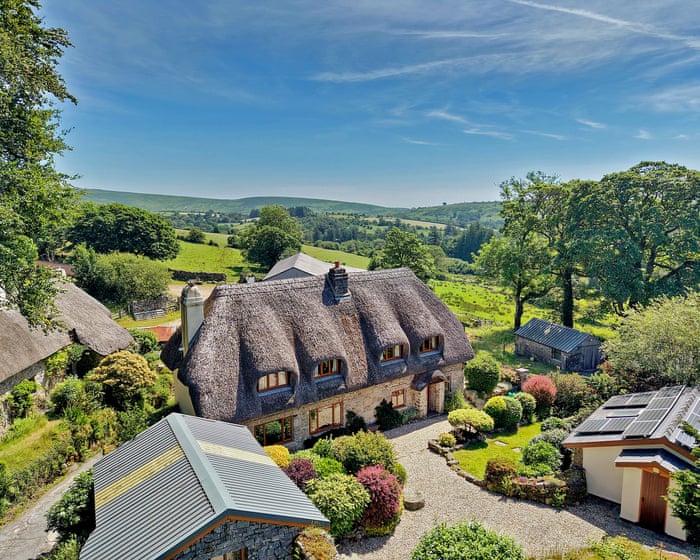
Homes currently for sale within England’s national parks range from a modern, energy-efficient bungalow in the South Downs to a converted historic chapel in Northumberland, according to a property showcase highlighting the variety of housing available in protected landscapes across the country.
What kinds of homes are available in England’s national parks?
The selection spans a wide range of property styles and eras, reflecting the diversity of England’s 10 national parks. Buyers can choose between newly built, sustainability-focused homes designed to minimise energy use, and centuries-old buildings that have been repurposed for modern living, such as a chapel converted into a residential property in Northumberland National Park.
This mix illustrates how national park living appeals to different types of buyers, from those seeking low carbon footprints and modern conveniences to those drawn to period character and historic architecture set within protected countryside.
Why do buyers consider national park locations attractive?
National parks are protected for their landscape value, offering residents proximity to open countryside, restricted development, and often strong rural community ties. Properties within these boundaries can carry a premium due to planning restrictions that limit new housing supply, making existing homes—whether historic or newly built—particularly sought after.
Homes within national park boundaries continue to draw interest from buyers seeking a blend of protected scenery and distinctive architecture, estate agents say.
What does this mean for prospective buyers?
The range of homes on the market—from the South Downs to Northumberland—demonstrates that national park living need not mean sacrificing modern efficiency or historical character. Prospective buyers exploring these regions can weigh options that suit differing priorities, whether that is lower running costs through energy-efficient design or the appeal of owning a piece of architectural history within a nationally protected landscape.