
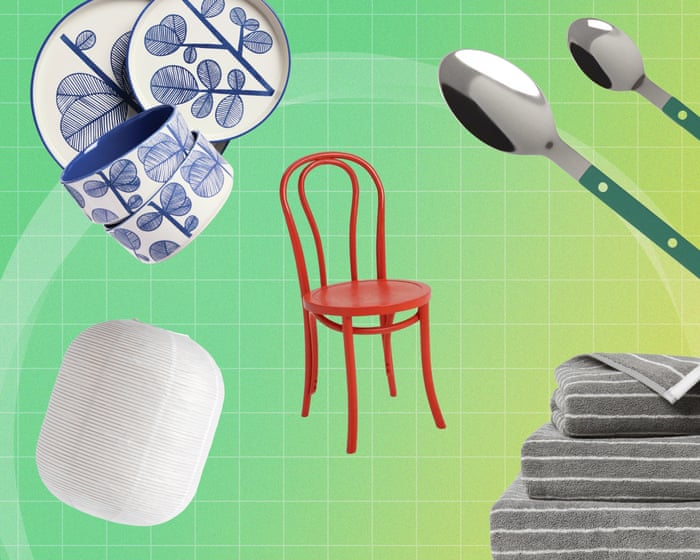
Interior style advice compiled by consumer guides shows homeowners can achieve an expensive-looking interior without a large budget, using items priced from as little as £2. The list of 22 recommendations includes secondhand lamps, quality cutlery, affordable art and posh-looking egg cups, with the common thread being well-made, timeless pieces rather than costly brands.
What makes a home look more expensive?
According to the roundup, the key is selecting well-crafted objects, quality fabrics and materials, and designs that reference classic styles rather than fleeting trends. Rather than spending heavily on branded goods, shoppers are encouraged to look for pieces that mimic the proportions, finishes and detailing found in higher-end interiors, such as boutique hotels, while sourcing them from budget retailers, charity shops or secondhand marketplaces.
Good taste doesn’t have to cost a fortune, the guide notes, pointing to affordable finds that punch above their price tag.
Which items feature in the list?
The recommendations span small decorative touches to functional homeware, including stylish egg cups, elevated cutlery sets and framed or printed artwork that mimics gallery-quality pieces at a fraction of the cost. Secondhand lamps are highlighted as a particularly effective upgrade, since lighting fixtures often carry a disproportionate visual impact relative to their price, and older or vintage designs frequently show sturdier construction than some modern budget alternatives.
Other items in the collection focus on materials and craftsmanship over branding, such as quality glassware, textiles and tableware that mimic higher-end finishes. The guide suggests that shoppers prioritise pieces with clean lines and durable materials, since these tend to age well and avoid looking dated as trends shift.
Why does this approach appeal to budget-conscious shoppers?
The approach reflects a broader consumer trend toward affordable luxury, where shoppers seek to replicate premium aesthetics without matching premium price tags. By focusing on materials, timeless design and thoughtful sourcing — including secondhand and vintage options — the guide argues that a polished, high-end look is achievable on almost any budget, starting from just a couple of pounds per item.