
UK economic growth slowed to 0.4% in the three months to June, down from 0.6% in the first quarter, according to the Office for National Statistics. The deceleration, in line with City forecasts, has been linked to rising energy prices stemming from disruption caused by the conflict involving Iran.
Why Did UK Growth Slow in the Second Quarter?
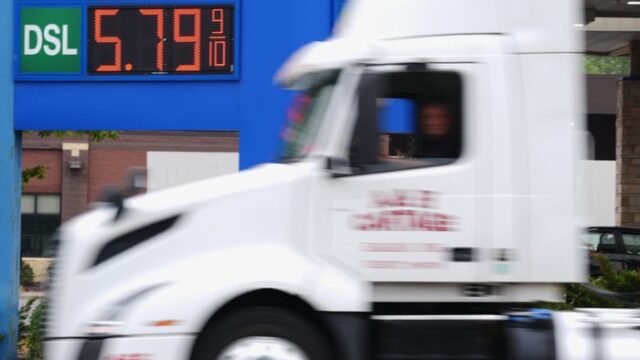
The slowdown reflects the economic fallout from the Iran war, which has pushed up global energy prices and squeezed households and businesses alike. Higher fuel and energy costs have raised input prices for firms and dented consumer spending power, dragging on overall output even as the economy avoided a sharper downturn.
Despite the deceleration, the 0.4% expansion still points to a degree of resilience in the UK economy, which has continued to grow steadily despite a challenging global backdrop of geopolitical tension and elevated energy costs.
What Are Economists Saying About the Outlook?
Analysts caution that the current pace of growth may not be sustained in the months ahead, warning that momentum built earlier in the year is likely to weaken further as energy-related pressures persist.
Growth is likely to fade as the impact of higher energy costs continues to filter through the economy, analysts said.
What Does This Mean for the Wider Economy?
The ONS data underscores how external shocks, particularly geopolitical conflict affecting energy markets, remain a key risk to the UK’s growth trajectory. With energy prices still elevated because of the Iran war, businesses face higher operating costs while households contend with squeezed budgets, factors that could further temper economic activity in the coming quarters.
Policymakers will be watching closely to see whether the slowdown proves temporary or signals a more sustained loss of momentum, particularly as the Bank of England weighs the balance between supporting growth and managing inflationary pressures tied to energy costs.