
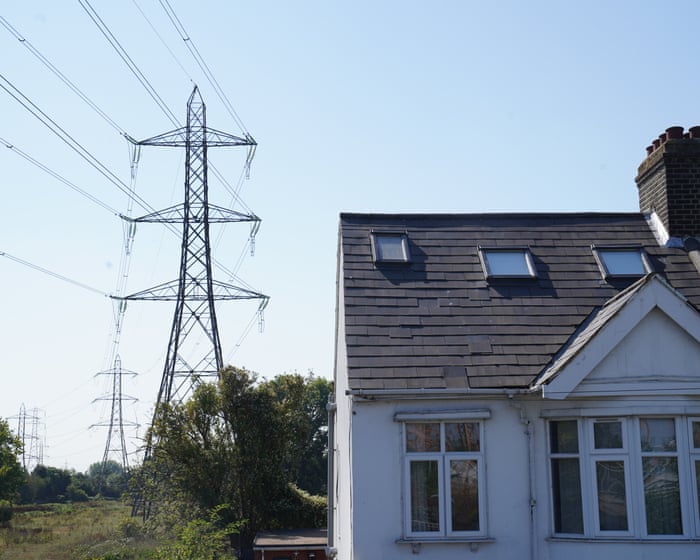
Households living within 500 metres of new power pylons across Great Britain will receive £250 knocked off their annual energy bills, the UK government has confirmed. The discount, worth up to £2,500 over 10 years, applies to hundreds of thousands of homes near more than 40 confirmed grid infrastructure projects forming the largest electricity network overhaul since the 1960s.
How will the discount work?
Eligible households will see £250 automatically deducted from their annual energy bills for a decade, rather than receiving a one-off payment. The scheme targets homes situated near newly built or upgraded pylons and substations that form part of a nationwide effort to modernise Britain’s electricity transmission network. Ministers say the payments are intended as compensation for communities that live alongside new infrastructure needed to carry more renewable and low-carbon power around the country.
Communities hosting vital infrastructure deserve to share directly in the benefits of the clean energy transition, the government said.
Why is the grid being upgraded now?
The expansion is being driven by the UK’s shift away from fossil fuels and the growing need to connect offshore wind farms, solar power and other renewable sources to homes and businesses. Existing transmission lines, many dating back decades, lack the capacity to handle the scale of new generation capacity coming online, particularly from offshore wind projects in Scotland and the North Sea. Grid operators have warned that without significant new pylons and cables, renewable energy projects risk being delayed or left unable to deliver power to where it is needed.
What does this mean for affected communities?
For residents near the more than 40 confirmed projects, the discount is designed to offset concerns about visual impact, construction disruption and property value effects linked to new overhead lines. The government has framed the payments as a way of building local support for infrastructure that is otherwise often contested at planning stage, with campaigners in some areas previously opposing new pylon routes. Ministers argue that faster grid expansion is essential to keeping consumer energy costs down in the long run, since delays in connecting cheaper renewable generation can leave households paying more for electricity generated from gas and other fossil fuels.