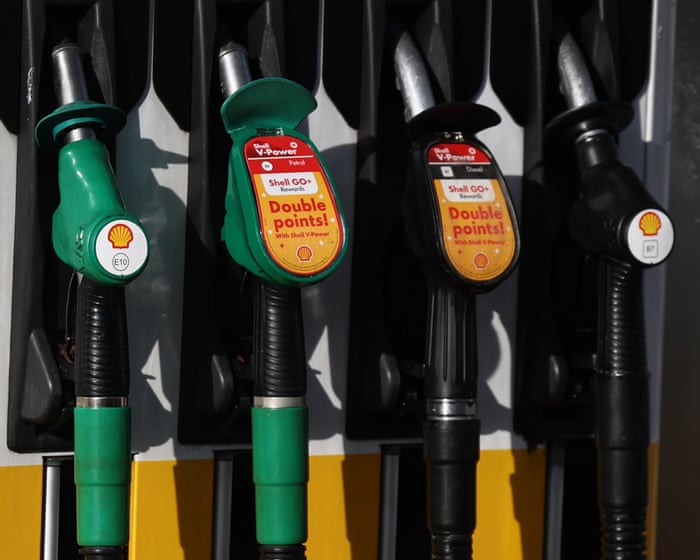
UK petrol prices have risen to 160p a litre on average, matching levels last seen during the Iran conflict earlier this year, according to the RAC. Diesel has also jumped, rising 14.5p to reach 179p a litre, with further increases to around 185p forecast in the coming weeks, adding financial strain to households heading into peak summer travel season.
Why are petrol prices climbing again?
The latest increase reverses a temporary relief drivers enjoyed in early July, when prices dropped to 151p a litre following the announcement of a ceasefire in the Middle East conflict involving Iran. That de-escalation had eased fears over disruption to oil supplies and shipping routes, allowing pump prices to ease back from their earlier peaks. However, the rebound to 160p suggests that whatever calm the ceasefire brought to fuel markets has proven short-lived, with underlying pressures on oil prices reasserting themselves.
The RAC, which tracks UK fuel prices closely, described the renewed rise as particularly unwelcome timing for motorists, given that millions of families are preparing for summer getaways that typically involve significant road travel.
This is very unwelcome news for drivers just as many are about to set off on their summer holidays, the RAC said.
What does this mean for household budgets?
The rise in both petrol and diesel prices adds another layer of cost pressure on UK households already grappling with elevated living expenses. With diesel prices forecast to climb further to around 185p a litre, hauliers, delivery firms and diesel-vehicle owners face mounting costs that could filter through to wider consumer prices, including transport and delivered goods.
For families planning summer road trips, the higher pump prices mean holiday budgets will stretch less far, compounding pressures from other seasonal costs. Analysts have not indicated when prices might ease again, though previous patterns suggest fuel costs remain closely tied to developments in Middle East geopolitics and global oil markets.