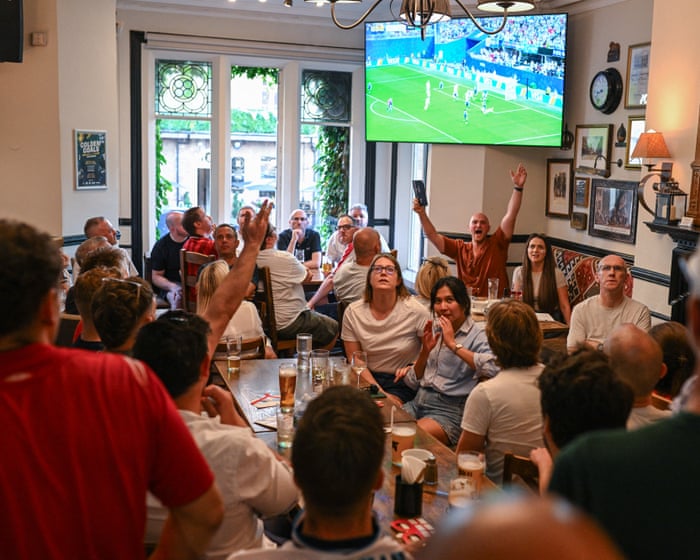
British pubs saw a significant sales boost during the World Cup, with extended opening hours and match-day crowds helping sell an estimated 5.5 million extra pints during the group stages alone. Despite this temporary lift, roughly 2,000 pubs have closed since 2020, a rate of about two per day, driven by rising energy bills, business rates, wages and national insurance costs.
How much did the World Cup help pubs?
The tournament arrived at a critical moment for an industry that has struggled with falling footfall and squeezed margins. Extended licensing hours allowed venues to capitalise on matches, drawing in crowds eager to watch games together rather than alone at home. One pub landlord, Sam Hale, described overwhelming demand from customers keen to soak up the tournament atmosphere.
People can’t get enough of football fever, a pub landlord told reporters.
Beyond ticket and drink sales, the communal viewing experience appeared to lift public mood broadly, even though both England and Scotland fans ultimately faced disappointing results. Industry observers say this kind of shared experience is precisely what pubs offer that home entertainment cannot replicate.
Why are pubs still closing despite the World Cup boost?
The football-driven uptick does not offset a deeper structural decline in the pub sector. Fewer people are choosing to go out socially compared with previous decades, a shift that predates the pandemic but has accelerated since. On top of that, operators face mounting fixed costs, including higher energy bills, business rates, wage bills and employer national insurance contributions, all of which squeeze already thin margins.
Industry advocates hope the temporary surge in custom will prompt policymakers and communities to recognise the broader social value pubs provide, beyond simple commercial revenue, as gathering places that foster shared experiences and local cohesion.
What could support pubs going forward?
Sector representatives argue that sustaining pubs long-term will require addressing the underlying cost pressures rather than relying on one-off events like major tournaments. Calls are growing for policy support that recognises pubs’ role in community life, potentially through relief on business rates or other cost burdens, to prevent further closures once the World Cup effect fades.